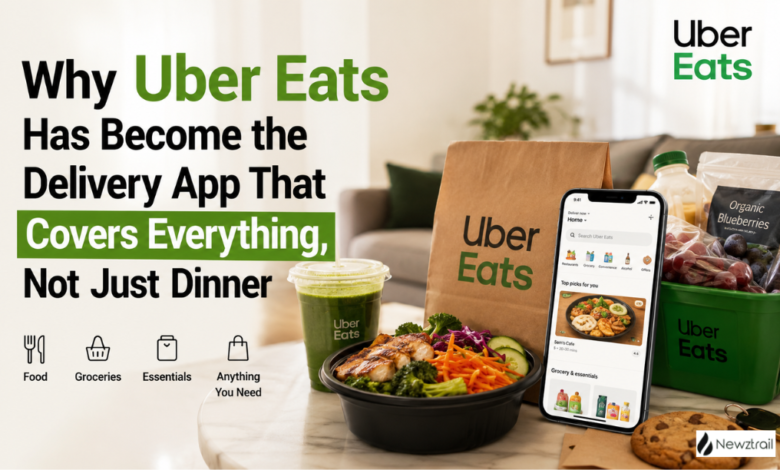
There’s a version of Uber Eats that most people think they know — the app you open when you don’t feel like cooking and you want a burger delivered in minutes. That version is real and it works, but it’s become the smallest part of what Uber Eats actually is in 2025 and beyond. Grocery delivery from major supermarket chains. Alcohol delivered to your door. Convenience store items that show up faster than you could get them yourself. Prescription pickups. Flowers. Pet supplies. The platform has grown into something genuinely broad, and understanding the full scope of it changes how useful it is in daily life.
Here’s a thorough look at what Uber Eats covers, what makes it worth ordering from, and how to get the most value out of it.
Restaurant Food Delivery — The Foundation, Done at Scale
This is still the core of the platform and what most people think of first, which makes sense because the restaurant selection available through Uber Eats in any major city is genuinely remarkable. The sheer variety spans every cuisine category you’d realistically want — fast food, pizza, Mexican, Chinese, Japanese, Indian, Thai, Mediterranean, American comfort food, sushi, Korean barbecue, Italian, burgers, sandwiches, healthy bowls, salads, desserts, late-night options that are still available when the kitchen at home looks uninviting at midnight. National chains sit alongside neighborhood restaurants and local independents, so you’re choosing between a full ecosystem of options rather than whatever the nearest takeaway happens to be.
The ordering experience is built around speed — both of ordering and of delivery. Real-time tracking shows you exactly where your delivery person is and gives you an accurate arrival estimate rather than a vague window that could mean anything. The app surface for browsing restaurants is organized by cuisine, by what’s popular near you, by estimated delivery time, and by what’s currently offering deals, which means finding something you’re in the mood for takes considerably less time than it might look like from the outside.
Scheduled ordering is available for anyone who wants food to arrive at a specific time rather than as soon as possible — useful for lunch deliveries planned from the morning, or dinner timed around a specific event. And contactless delivery, where the delivery person leaves the order at your door rather than handing it directly over, is available as an option for those who prefer it.
Grocery Delivery — The Category That’s Changed How People Shop
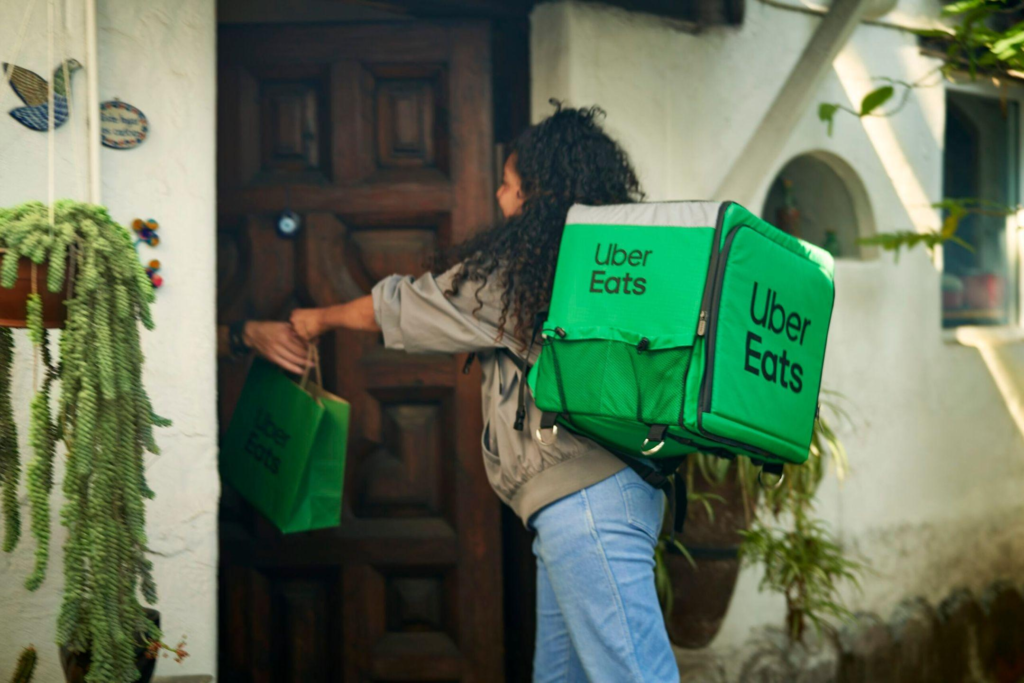
Uber Eats has made several changes to its grocery-delivery service designed to help customers save money while also making it more convenient to use. The grocery category on Uber Eats has expanded significantly, covering major national grocery chains alongside regional supermarkets and specialty food stores. What you can order covers the full weekly shop — fresh produce, meat, dairy, pantry staples, frozen food, bread, eggs, household cleaning supplies, paper products, snacks, drinks, and more. The selection at major grocery partners is genuinely comprehensive rather than a curated subset of popular items.
Uber Eats also now offers refunds on fresh goods that are spoiled, stale, damaged or past their sell-by date, with customers able to submit a report including a photo of the item within 48 hours after delivery. This fresh goods refund policy is a meaningful quality commitment that addresses the main concern people have about ordering fresh food online — the uncertainty about what you’ll actually receive. Knowing that spoiled or damaged fresh items are covered takes the risk out of including produce, meat, and dairy in a delivery order.
The grocery delivery category works particularly well for supplementary shopping — the items you need between full supermarket trips, the ingredients for a specific recipe, the things you realized you were out of at the worst possible moment. Being able to add fresh produce and pantry items to the same app where you’d normally order dinner collapses what used to be two completely separate shopping behaviors into one.
Alcohol Delivery — Licensed, Regulated, Delivered
Alcohol delivery through Uber Eats is available from a wide range of participating partners — wine, beer, spirits, and RTD cocktails across brands that span from everyday grocery-store options through to more specialist selections. The ordering experience matches the standard food delivery flow, with age verification handled at the point of delivery.
For entertaining purposes, this is one of the most genuinely useful features — the ability to add wine or beer to a food order, or to place a separate alcohol order when you realize the drinks situation at a gathering needs addressing, without making a separate trip to a bottle shop.
Convenience, Everyday Essentials, and More
Beyond restaurants and groceries, the platform covers convenience items that are available from participating convenience store chains and retail partners. This means that the phone charger you forgot, the painkillers you need at 11pm, the snacks you want for a movie night, the toiletries that ran out — all of these are orderable from the same app rather than requiring a trip out or a separate delivery platform.
The reach of the non-food delivery categories continues to expand as Uber Eats adds new merchant categories and retail partners. Flowers, pet supplies, and other everyday retail items are available in many markets. The platform’s direction is clearly toward becoming the delivery app for everyday needs rather than a single-category service — and in major cities, that vision is largely already realized.
Pickup as a Free Alternative to Delivery
Not everything needs to be delivered. Uber Eats offers a pickup option across participating restaurants and stores, which lets you order in advance through the app and collect the order yourself — skipping the queue, skipping the wait, and skipping the delivery fee entirely. For anyone who’s passing the restaurant anyway, or who prefers not to pay a delivery fee for something they’re nearby, pickup is a genuinely useful alternative that the app makes available for the same selection of restaurants as delivery.
Uber One — The Membership That Changes the Economics
One members receive a $0 Delivery Fee on standard delivery within at least three miles, and discounted Service Fee, from participating stores when they meet the order minimums shown on the storefront.
Benefits of Uber One include $0 delivery fee on eligible food, groceries, and more; up to 10% off eligible deliveries and pickup orders; earning 6% Uber One credits on eligible rides; Uber One Exclusives including special offers and promotions; and the ability to cancel membership at any time without fees or penalties.
For food delivery fans, just two or three orders a month will likely save you more in delivery fees than the cost of the subscription. The math is straightforward once you’ve placed more than a handful of delivery orders in a month — the delivery fees and service fee discounts consistently exceed the membership cost across any regular usage pattern. The combination of rides credit and food delivery savings makes it particularly compelling for anyone who uses both Uber and Uber Eats, which for most members means the value is coming from two directions simultaneously.
Tuesdays is a newer member benefit where Uber One members get 30% off select fresh items, like produce, dairy, and more, every Tuesday, plus $0 delivery fee on eligible orders. This Tuesday-specific grocery discount is a genuinely significant weekly saving for members who use the grocery delivery category, making the membership even more attractive for households that order groceries through the platform.
For students, the deal is even sweeter — the Uber One Student plan is currently available for just $4.99 per month, often bundled with exclusive free item perks. At that price point, a student using the platform even once or twice a week for food or grocery delivery is essentially getting unlimited free delivery, which is about as compelling a value proposition as subscription memberships get.
Uber for Business — Extending the Platform to Professional Life
Companies can get twelve months of Uber One membership for free for their employees when they connect their Uber for Business account. The business account option is worth knowing about for anyone whose employer uses the platform for team meals, client entertainment, or employee food benefits — the corporate integration with expense management and centralized billing removes the friction of individual reimbursement and makes the business use case considerably more practical.
Promo Codes and Seasonal Offers
Beyond Uber One, Uber Eats frequently sends promotions via email which usually include limited-time offers and promo codes. Seasonal events and major sporting occasions consistently produce platform-wide deals — discounts tied to game days, holiday promotions, and restaurant-specific offers that show up as highlighted deals within the app. The promotions page at ubereats.com/promo is worth checking before placing any larger order, since promo codes stack with standard service discounts and can produce meaningful savings on top of what the regular pricing already offers.
Gift Cards — For When You’re Buying for Someone Else
Uber gift cards, purchasable at uber.com/gift-cards, cover both Uber rides and Uber Eats orders and are one of the more practical gift options available precisely because they’re so broadly useful. Anyone with a smartphone in a city where Uber operates will find a use for them — it’s the kind of gift that doesn’t require knowing the recipient’s preferences because the range of what they can order is essentially unlimited.
Why Uber Eats Is Worth Using as Your Primary Delivery Platform
The case for Uber Eats over alternatives comes down to a few things that genuinely matter at the usage level rather than in a feature comparison. The restaurant selection in major markets is simply larger than competitors in most cities. The expansion into grocery, alcohol, and convenience has made it a single-app solution for delivery needs that used to require multiple platforms. And the Uber One membership, particularly for anyone who also uses Uber for rides, produces a savings structure that makes regular use consistently more economical than ordering without a membership.
If you’ve been using Uber Eats primarily for occasional dinner delivery, the platform has significantly more to offer than that narrow use case suggests. The grocery category alone, particularly with the Fresh Tuesdays discount for Uber One members, represents a meaningfully different and more valuable relationship with the platform than most casual users have discovered.