Why The Ultrahuman Ring AIR Keeps Selling Out (And What People Actually Love About It)

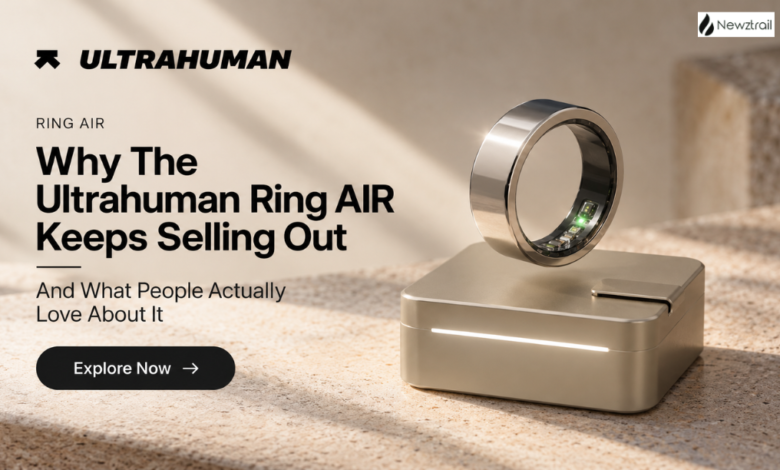
There is a reason the Ultrahuman Ring AIR keeps popping up in conversations, group chats, and “what wearable should I get” threads. It is not hype for the sake of hype. Once you actually understand what people are getting out of it day to day, the popularity starts making a lot of sense. Let’s get into why this one product has become the brand’s clear favourite, and why the rest of the lineup is quietly building the same kind of loyal following.
The Ring AIR Is The Bestseller For A Reason
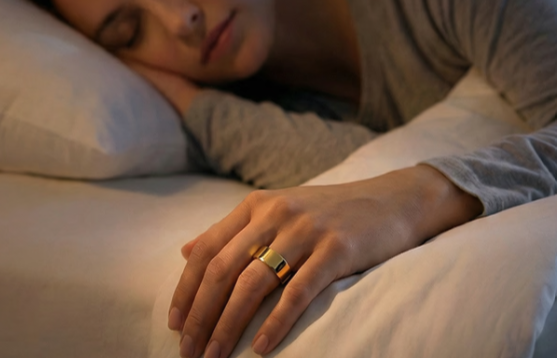
Ask anyone who owns one why they picked the Ring AIR over a smartwatch, and the answer is almost always the same: they got tired of wearing something bulky just to track their sleep. The Ring AIR solves that instantly. It sits on your finger like a regular ring, so you forget you are even wearing a tracker, and that is exactly the point. You are supposed to forget about it while it quietly does its job in the background. People who have tried multiple wearables before landing here often say this is the first one they have actually kept wearing consistently, night after night, without feeling like a chore.
Sleep Tracking That People Actually Trust
A lot of health gadgets promise sleep insights, but users of the Ring AIR consistently talk about how accurate and detailed the breakdown feels. It is not just “you slept for this long.” It gets into how restless you were, how your body temperature shifted through the night, and how ready your body actually is for the day ahead. For people who have struggled with vague, generic sleep apps in the past, this level of detail feels like someone finally built a tool that takes their sleep seriously.
No Subscription Drama
This might be one of the most talked-about benefits in every review and forum thread. Ultrahuman does not lock your own health data behind a monthly subscription wall. You buy the ring once, and the insights keep coming. In a world where almost every wearable brand eventually asks you to pay again just to see your own metrics, this single decision has earned Ultrahuman a huge amount of goodwill. People genuinely appreciate not being nickel-and-dimed for data about their own body.
The Design Doesn’t Scream “Gadget”
Another reason the Ring AIR is a bestseller is simply how it looks. It comes in finishes that people are proud to wear out, not something they hide under a sleeve. Reviewers and buyers often mention that they get compliments on it before anyone even realises it is a health tracker. That combination of function and genuinely good design is rare in this category, and it is a big part of why this product keeps flying off the shelves.
M1 Is Quietly Becoming A Favourite Too
While the Ring AIR gets most of the spotlight, the M1 continuous glucose monitor has built its own quiet fan base, especially among people who are serious about fitness, weight management, or just understanding their own energy crashes. The benefit people talk about most is the “aha” moment, that one time they see a food they always assumed was healthy causing a massive spike, and everything about their afternoon slump suddenly makes sense. It turns nutrition from guesswork into something you can actually see and adjust in real time.
Ring AIR Plus M1: The Combo People Keep Recommending
If there is one thing that comes up again and again in user experiences, it is how well the Ring AIR and M1 work together. Your recovery and sleep data from the ring lines up with your glucose response from the M1, and suddenly you are not just guessing why you feel sluggish or sharp on a given day, you can actually trace it back to a cause. This combination is often the moment people go from casually curious about Ultrahuman to fully invested in the brand’s approach to health.
Ultrahuman Home Is The Sleeper Hit
Not as loudly marketed as the ring, but the Home device has its own loyal little community. The benefit people highlight most is how it explains sleep problems that no wearable on your body could ever catch, like a room that is too warm, too noisy, or too bright at the wrong hour. Once people fix these environmental issues based on what Home tells them, their ring data often improves right alongside it, which creates this satisfying feedback loop that keeps them engaged with the whole ecosystem.
Blood Vision Appeals To The Data-Hungry Crowd
For the segment of buyers who already track everything obsessively, Blood Vision is the natural next step, and it tends to become their favourite once they try it. The appeal here is context. A blood report on its own can feel intimidating or confusing, but when it is tied back to your sleep, movement, and recovery trends, it suddenly makes sense in a way a standalone lab report never could. People who use this product often describe finally feeling like they understand their own health story instead of just collecting numbers.
What Ties All The Favourites Together

If you look at why each of these products has its own fanbase, the pattern is pretty clear. None of them are trying to overwhelm you with data for the sake of it. They are all built to answer a specific, relatable question: why do I feel tired, why did my sleep suffer, why did my energy crash, what is actually going on inside me. That focus on answering real questions, rather than just dumping numbers on a screen, is exactly why people stick around and end up recommending the brand to friends without being asked to.
The Takeaway For Anyone Still Deciding
If you are trying to figure out where to start, the Ring AIR is the safest and most popular entry point for a reason, and it rarely disappoints. But do not be surprised if, a few weeks in, you find yourself drawn to the M1 or the Home device too. That is exactly how most loyal Ultrahuman users describe their own journey, and it is a pretty good sign that the products are actually delivering on what they promise.