There’s a point where you’re not even excited to order food—you just want something reliable that won’t take too much effort to figure out. That’s usually when Uber Eats fits in best. You open it thinking you’ll just “check,” and within a few minutes, you’re already placing an order without overthinking it.
It doesn’t try too hard to impress you. It just quietly works in a way that makes sense, especially on days when you don’t want to scroll endlessly or compare ten different places before deciding.
The Categories Feel Natural, Not Forced
What stands out pretty quickly is how the categories actually match how people eat. You’re not dealing with random filters that don’t help. Instead, it feels like the app already knows what you might be looking for.
Some days you’re clearly in the mood for something heavy and comforting, and you’ll find that instantly. Other times you just want something quick, maybe fast food, or even something lighter that doesn’t feel too indulgent. The way everything is grouped makes those decisions easier.
Cuisine-wise also, it doesn’t feel overwhelming. You can go straight into Indian, Chinese, Italian, or whatever you’re craving and still not feel stuck. There’s enough variety within each category that you don’t feel like you need to keep jumping around.
Then there are those sections that show what’s trending or popular nearby. These actually help more than you’d expect. On days when nothing sounds right, just seeing what others are ordering food somehow pushes you toward a decision faster.
It’s Not Just Food Anymore, and You Notice That Slowly

Initially, you go there thinking it’s just about ordering meals. But after using it a couple of times, you realize it covers more than that.
There are grocery options available in many areas, and that becomes useful in a very practical way. It’s not about doing a full grocery run, but if you’re missing a few things or just want snacks, drinks, or ready-to-eat items, it’s all there.
What’s nice is that it doesn’t feel like a separate feature. You don’t feel like you’ve switched apps or sections completely. It’s all part of the same flow, so you might end up ordering a meal and adding a couple of extra things without even planning to.
There’s also a mix of options that works for different moods. Some days you’ll go for something slightly premium, maybe from a nicer restaurant. Other days it’s just about getting something affordable and filling. Both feel equally accessible.
Bestsellers That Actually Push You to Order Faster
This is where Uber Eats quietly reduces decision time without you realizing it.
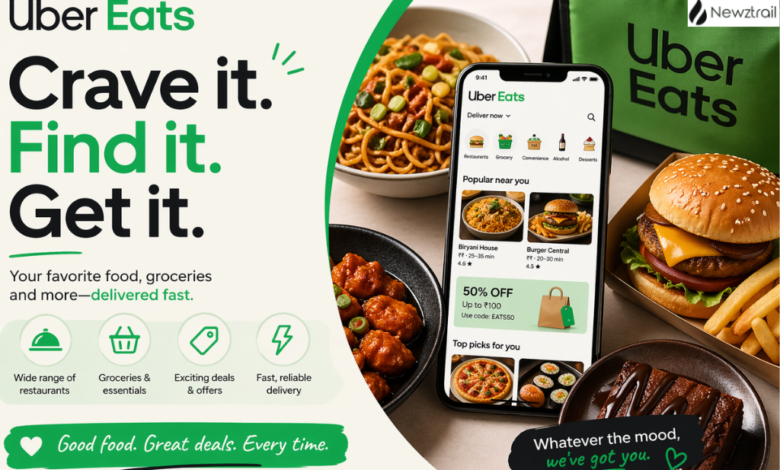
When you open a restaurant menu, you’ll notice tags like “most ordered,” “top rated,” or “popular near you.” And instead of scrolling through 40 items trying to figure out what’s worth it, you usually end up picking from these first.
It’s especially useful when you’re ordering from a place for the first time. You’re not guessing anymore—you’re choosing from dishes that are already performing well. Whether it’s a best-selling burger combo, a top-rated biryani, or a most ordered pizza, those labels instantly narrow things down.
What makes this even more effective is how it connects with local demand. You’re not just seeing random popular items—you’re seeing what people around you are actually ordering. So when you’re searching for things like food delivery near me, best restaurants on Uber Eats, or top rated dishes near me, these sections do the work for you.
It also works at the restaurant level. You’ll come across places marked as “popular” or “frequently ordered from,” which makes trying new spots feel easier. Instead of overthinking ratings or reviews, you just go with what’s clearly working for others.
After a few orders, it starts getting even more relevant. The platform begins showing recommended meals, repeat orders, and similar dishes based on your past choices, which means you’re not starting from zero every time you open the app.
At that point, it’s less about browsing and more about quickly spotting something you already know you’ll enjoy—and placing the order without second-guessing it.
Deals That Make You Feel Like You’re Getting Away With Something
One of the reasons people keep coming back is because the deals are just… there. You don’t have to hunt for them.
While browsing, you’ll notice discounts on certain restaurants, combo offers, or percentage-based deals. And because they show up while you’re already deciding what to order, they influence your choice without feeling forced.
Sometimes you’ll pick a place just because there’s a good deal running, even if you weren’t initially thinking about it. And it doesn’t feel like a compromise—it still feels like a good decision.
If you order frequently, the subscription benefits also start making sense. Reduced delivery charges and extra offers add up over time, especially if ordering in is something you do often.
It Just Fits Into Your Routine Without Effort
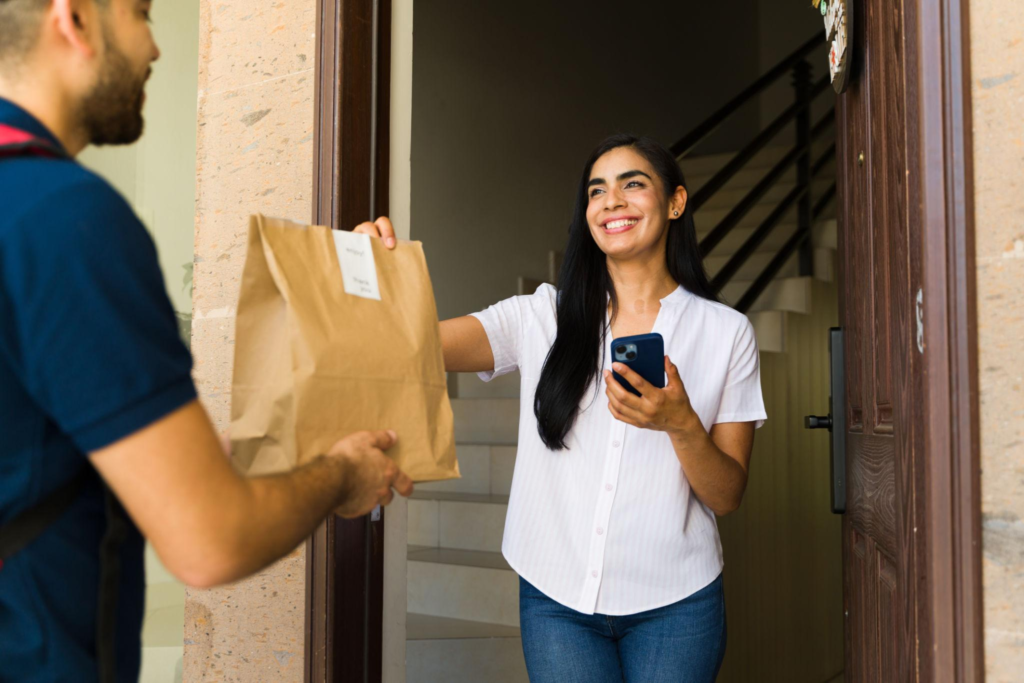
At some point, it stops being about trying something new and just becomes part of your routine.
You don’t open the app thinking, “Let me explore everything.” You open it because you know you’ll find something quickly. That’s a big difference.
The variety is always there, but it doesn’t overwhelm you. The categories guide you without slowing you down. The deals make you feel like you’re making a smart choice. And the whole process, from opening the app to placing the order, feels smooth.
It works just as well for a solo meal as it does for ordering with friends. Late-night cravings, lazy weekends, busy weekdays—it adjusts without you having to think about it.
You Don’t Plan to Use It This Often, But It Just Happens
Most people don’t start using Uber Eats thinking it’ll become their default. It usually begins with something simple—maybe you searched food delivery near me one evening, placed an order, and that was it.
But the next time you’re in the same situation—hungry, tired, not in the mood to cook—you don’t start from scratch. You open it again because it already worked once.
And that’s where it slowly builds momentum.
It’s not about loyalty or habit in the traditional sense. It’s more practical than that. You already know you’ll find top-rated restaurants nearby, you’ve seen how quickly you can reorder a best-selling meal, and you’ve probably noticed a few ongoing deals on food delivery that make the decision easier.
So instead of comparing apps or checking multiple options, you just go back to what feels predictable.
Over time, it becomes less of a “choice” and more of a shortcut. You’re not exploring anymore—you’re solving a need quickly. Whether it’s a late-night craving, a quick lunch, or even ordering from your usual place again, the process stays smooth every time.
And that’s what really makes it stick. You don’t actively decide to rely on it—it just becomes the easiest way to order food online without wasting time.
At some point, you stop thinking “where should I order from?” and start thinking “what should I order?”—because the platform is already decided.