Uber Eats for Groceries, Everyday Essentials, and the Delivery Needs Beyond Dinner

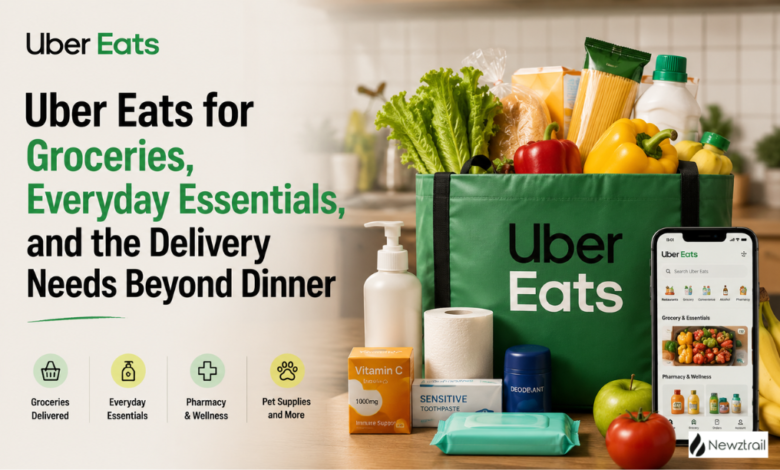
If the only time you open Uber Eats is when you want restaurant food delivered, you’re using a fraction of what the platform actually does. Grocery delivery, convenience items, alcohol, pet supplies, everyday essentials — the platform has expanded well beyond restaurant meals into a broader delivery service that covers the kinds of errands and shopping trips that punctuate a regular week. Understanding this expanded version of Uber Eats changes the calculation around whether it’s worth having the app open on a regular basis — because once you start treating it as a general delivery resource rather than a dinner solution, the occasions where it’s useful multiply considerably.
Grocery Delivery Through Uber Eats — Bigger Than Most People Realize
The grocery category on Uber Eats has grown significantly, covering major national grocery chains as well as regional supermarkets, specialty food stores, and organic grocers, depending on what’s available in your area. The product range within each grocery partner is genuinely comprehensive — this isn’t a curated selection of the most frequently ordered items but an actual grocery catalog that covers the full weekly shop. Fresh produce, meat, seafood, dairy, eggs, bread, pantry staples, frozen food, snacks, drinks, household cleaning products, paper goods, personal care items — all of it is orderable through the same app you’d use for restaurant food.
Uber Eats now offers refunds on fresh goods that are spoiled, stale, damaged or past their sell-by date. Customers need to submit a report that includes a photo of the item within 48 hours after it is delivered. This fresh goods refund policy is the specific quality commitment that makes grocery delivery genuinely viable for fresh categories — produce, meat, and dairy — rather than just convenient for packaged and shelf-stable items. Knowing that a damaged item or spoiled fresh product is covered removes the main hesitation that sensible people have about ordering perishables for delivery, which is the uncertainty about condition on arrival.
The grocery delivery service on Uber Eats serves a slightly different need from a full weekly shopping trip to a physical supermarket, and it’s worth being clear about where it works best. For the supplementary trip — the ingredients for a specific meal, the items you ran out of between weekly shops, the things you need urgently but can’t easily get to the store for — it’s genuinely excellent. The turnaround from order to delivery at many grocery partners is fast enough that you can order while cooking and have the missing ingredient arrive before the dish is ruined.
Fresh Tuesdays and Grocery Savings for Uber One Members
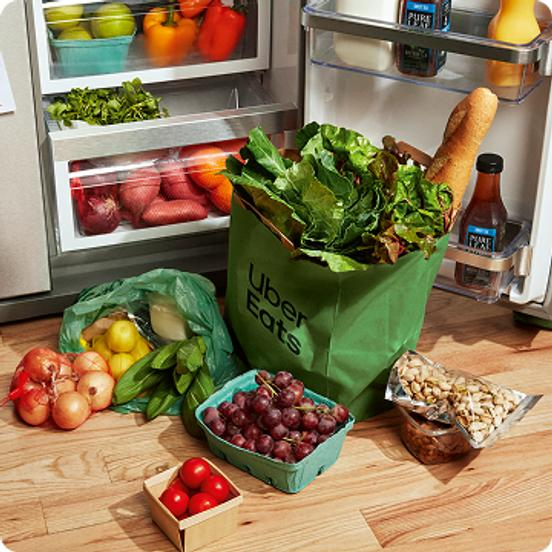
Fresh Tuesdays is a program that provides Uber One members with 30% off select fresh items, including produce, meats, eggs, and dairy products, every Tuesday, plus $0 delivery fee on eligible orders. This weekly grocery saving is one of the more practically valuable Uber One benefits for anyone who uses the grocery category regularly. Fresh items — produce, meat, dairy — are exactly the categories where grocery spending is highest and where price sensitivity matters most, and a consistent weekly discount on those specific items meaningfully changes the economics of using Uber Eats for grocery delivery versus driving to the supermarket.
Uber positioned the Fresh Tuesdays promotion as an answer to rising grocery prices — and it’s a genuinely responsive position. A 30% saving on Tuesday grocery orders, on top of the $0 delivery fee for Uber One members and the service fee discount, makes the weekly grocery delivery case considerably stronger than it would be at standard pricing.
For Uber One members, the grocery delivery math on a Tuesday looks substantially different from the regular-pricing math — the fresh item discount, combined with no delivery fee and reduced service fees, means the total cost of a grocery delivery from a major supermarket partner can compare favorably to a regular supermarket trip once you factor in the time and transportation cost of getting there yourself.
Convenience Delivery — When You Need Something Now
Beyond groceries, Uber Eats partners with convenience store chains and everyday retail stores to deliver the items that people need on short notice and can’t easily wait for. Phone accessories, over-the-counter medicines, toiletries that ran out at the worst time, batteries, snacks, drinks, household items, and the various small things that make a significant difference to your immediate situation — all of these are orderable from the convenience category in many markets.
The specific value here is the speed and the hour. Convenience delivery operates later than most grocery delivery and covers situations where you’ve discovered something you need at a time when a physical trip to a store is inconvenient or impractical. Whether it’s the headache tablets you need at eleven pm, the phone charger you realized you left at home, or the last-minute supplies for an unexpected gathering, the convenience category handles these situations in a way that no other category quite replicates.
Alcohol Delivery — From Wine to Spirits to RTDs
The alcohol delivery category operates through licensed partners and covers wine, beer, spirits, ciders, RTD cocktails, and mixers in most markets where the service is available. Age verification happens at delivery, and the selection at major alcohol delivery partners spans everyday grocery-store options through to a more curated range depending on which partners are available in your location.
For entertaining use cases — adding drinks to a food delivery order, ordering wine for a dinner you’re hosting, restocking after guests arrive and it becomes clear the original drinks provision was insufficient — this category eliminates a specific trip that would otherwise interrupt the event. It’s the kind of delivery category that’s low-frequency for most people but extremely high-value when it’s needed.
Restaurants — Still the Core, and Worth Exploring Deeper
The restaurant delivery category is where most Uber Eats users spend the majority of their time in the app, and it rewards exploration beyond the most obvious options. The platform’s curation surfaces popular and highly rated restaurants near you, but the full range of what’s available typically extends significantly further into local independents, specialty cuisine options, and restaurants you might not have previously tried.
The cuisine categories browsable through the app cover every major type of food available in your city — the familiar fast food and pizza options, but also cuisine-specific categories like Indian, Thai, Japanese, Korean, Mediterranean, Middle Eastern, Vietnamese, and others that represent the full diversity of what’s available for delivery in a well-served market. Filtering by dietary preference — vegetarian, vegan, halal, gluten-free options — helps narrow to relevant results quickly rather than requiring you to read through every menu.
Scheduled orders let you think ahead about meals rather than reacting to hunger at the last moment. Ordering lunch from the app in the morning, with delivery timed for whenever your break starts, is a small workflow shift that makes the food delivery category considerably more useful during busy workdays.
Pickup — Free and Underused
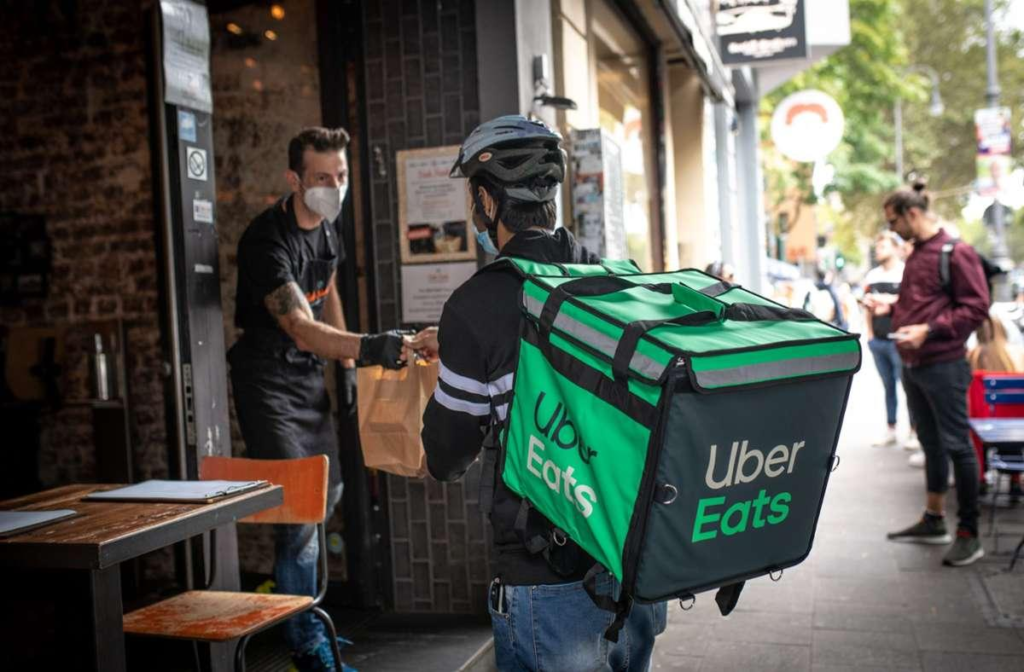
The pickup option within Uber Eats is genuinely free — no delivery fee, no service fee markup for the collection itself — and it covers most of the same restaurant selection as delivery. Order in advance through the app, arrive when the food is ready, collect it without standing in a queue or waiting for it to be prepared after you arrive. For anyone who’s passing a restaurant on their commute or running a route that takes them near a place they’d order from anyway, pickup is the most cost-effective way to use the platform.
Uber Eats offers pickup near you through the dedicated pickup category in the app. The selection is comparable to delivery, and the experience for the customer is faster — you know exactly when the food will be ready, the order is placed and paid in advance, and the collection itself takes minutes
Promo Codes and How to Keep Finding Deals
When you are on the checkout page before officially placing your order, there will be an option to apply a promo code to your order, or to choose from promotions you have already applied to your account. Promo codes for Uber Eats appear through several channels — email newsletters from the platform, partnerships with other services, seasonal promotions tied to sporting events or holidays, and restaurant-specific deals that appear as highlighted offers within the app.
The promotions page at ubereats.com/promo is worth checking before any significant order, particularly around event-adjacent occasions — major sporting events, holidays, and brand-specific promotions that run for limited periods. Promotional offers for event ordering can include free items from participating restaurants when spending above a certain threshold, which effectively turns a standard order into a better-value one with no change to the original plan.
Why Uber Eats as a Daily-Life Platform Makes Sense
The case for Uber Eats beyond restaurant meals is essentially a case about convenience as a resource. Time spent on a grocery run, a trip to a convenience store, or sourcing alcohol for an event is time that has a real value — and delivery services reduce or eliminate that time expenditure. The platform’s expansion into all of these categories, combined with the breadth of its restaurant selection, means there are increasingly few daily-life delivery needs that require a different app.
The value compounds most clearly for Uber One members, where the grocery delivery savings on Fresh Tuesdays, the $0 delivery fee, and the order discount combine to make grocery delivery genuinely cost-competitive with in-person shopping while eliminating the time cost of the trip. For non-members, the breadth of what’s available and the speed of delivery still make the platform useful for the occasions where convenience or urgency outweighs the fee cost.
Between groceries, restaurants, alcohol, convenience items, and the expanding range of everyday retail available through the platform’s delivery network, Uber Eats has genuinely become something closer to a delivery infrastructure for daily life than a single-purpose food ordering service. Understanding that broader picture is the reason it’s worth exploring the app beyond the dinner order you’d already be placing.