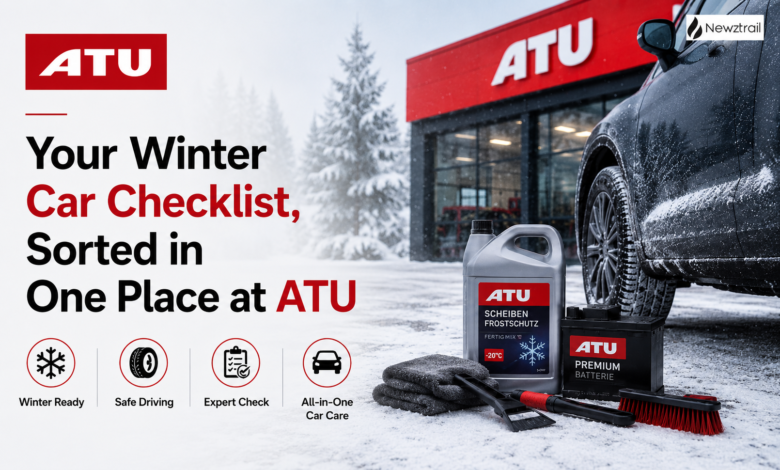
Winter driving requires a level of preparation that a surprising number of drivers still treat as optional rather than essential. The combination of cold temperatures, reduced daylight, wet and potentially icy roads, and the specific mechanical stress that low temperatures place on batteries, tires, and fluids creates a genuinely different driving environment than the rest of the year, and the car that was perfectly adequate in September needs active attention before it’s equally adequate in January. ATU’s catalog is built for exactly this preparation, covering every item on a serious winter readiness checklist from tires through to emergency recovery equipment.
Winter Tires — The Upgrade That Changes Everything Below a Certain Temperature
This is the conversation that gets repeated every autumn and still doesn’t reach enough drivers before the first cold snap. Winter tires perform measurably better than summer tires below a specific temperature threshold, not just on ice and snow but on any cold road surface, because the rubber compound stays softer and maintains grip at temperatures where summer tire compounds harden and become significantly less effective. The braking distance difference between summer tires and winter tires on a cold wet road is substantial enough to be the deciding factor in avoiding a collision at motorway speeds.
ATU’s winter tire range includes major manufacturers across the full spectrum, from Continental WinterContact and Michelin Alpin through to Hankook Winter, Vredestein Wintrac, and the more budget-accessible options from Fulda and Barum. The choice between them depends primarily on the vehicle, the driving environment, and the budget, but the choice between winter tires and no winter tires is much simpler — winter tires are the correct answer for any driver who takes cold-weather safety seriously.
The fitting service at ATU branches, bookable online in advance, handles the full swap including balancing, and the optional wheel storage service solves the problem of where to keep the off-season set for anyone without appropriate space at home.
All-Season Tires — For Anyone Who Wants Year-Round Confidence Without the Swap

Not everyone wants or needs to manage two sets of tires and a twice-yearly appointment. For drivers in regions where genuinely extreme winter conditions are occasional rather than regular, all-season tires represent a genuinely solid compromise that delivers adequate cold-weather performance alongside year-round usability. ATU’s all-season range covers established options from Vredestein, Fulda, Goodyear, and Continental, all of which carry the Three Peak Mountain Snowflake symbol that confirms they meet the safety standards for winter conditions.
This is a particularly practical solution for drivers who use their car less frequently in winter, who drive shorter distances on familiar local roads rather than long motorway journeys, or who simply want to reduce the administrative burden of seasonal tire management without accepting genuinely compromised winter safety.
Battery — The Winter Failure That Announces Itself at the Worst Possible Moment
Cold temperatures reduce battery capacity in a direct and measurable way. A battery that’s already towards the end of its service life will start a car without difficulty through the warmer months, when the demands on it are lower and the chemistry operates more efficiently, and then fail completely on a cold morning when the combination of reduced capacity and higher starting demand exceeds what it can deliver. This failure pattern is extremely common, extremely predictable, and completely avoidable with a pre-winter battery check.
ATU’s workshop battery check measures actual remaining capacity rather than just confirming the battery can currently start the car, which is the only meaningful test at this time of year. If the results suggest replacement is prudent, doing it before the problem manifests rather than after means the disruption is managed rather than emergency. Batteries in ATU’s range cover different specifications for different vehicle types and electrical demands, and the installation service at branches handles the replacement correctly including any reset or registration procedures that modern vehicles require when a battery is replaced.
Screen Wash — The Safety Item That Costs Almost Nothing to Get Right
Frozen washer fluid is one of those winter driving failures that feels minor right up until the moment it isn’t. Driving into a low winter sun with a windscreen covered in road spray and no functional washer fluid is a genuine visibility emergency, and swapping summer screen wash concentrate for a properly rated winter formulation that won’t freeze in the reservoir or on the screen takes about two minutes and costs almost nothing. ATU’s fluids range covers winter screen wash in several strength options, and the correct choice depends on the lowest temperatures expected in the region where the car is used.
This is also one of those items worth buying in a larger container before winter rather than the smallest available size, since the higher usage rate during winter means a small bottle doesn’t last as long as it would in a dry summer.
Wiper Blades — Often Overlooked Until They’re Actually Needed in the Rain
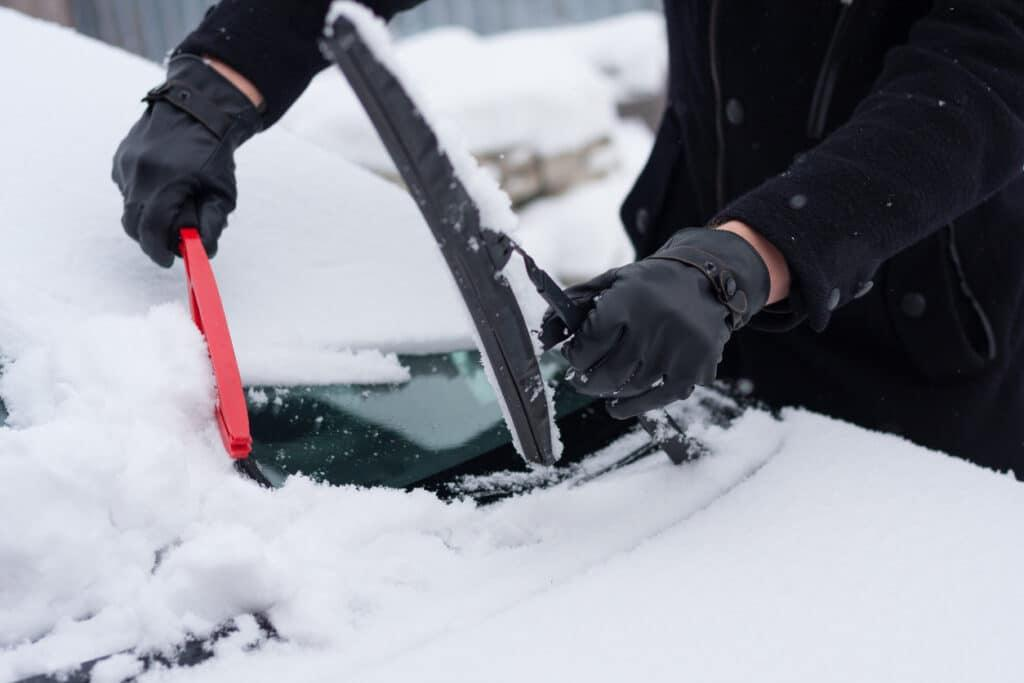
Winter driving demands more from wiper blades than any other season, combining the higher rainfall frequency of colder months with the specific challenge of ice and frost on blades that may have been sitting undisturbed through a dry autumn. A wiper blade that streaks, chatters, or skips on a rainy night motorway drive is a straightforwardly unsafe situation, and replacing them before winter rather than waiting for them to obviously fail is one of the easiest proactive safety decisions available. ATU’s wiper blade range covers vehicle-specific fitments and includes winter-specific blades for areas where ice accumulation on standard blades is a regular occurrence.
Lighting — When Darkness Arrives at Four in the Afternoon
Reduced daylight hours significantly increase the proportion of driving done in the dark, which makes the condition and quality of all lighting systems more important in winter than at any other time of year. A headlight bulb that’s been running at reduced brightness for months without being noticeably inadequate in summer conditions becomes obviously deficient when it’s your only light source on an unlit rural road at five in the evening. ATU’s lighting replacement range covers standard replacement bulbs and upgrade options across all vehicle lighting positions, and the check takes minutes to complete before winter rather than the roadside moment of discovery that tends to replace it otherwise.
Antifreeze and Coolant — The Engine Protection Check That Can’t Wait Until Spring
Coolant that’s no longer maintaining the correct antifreeze concentration will freeze at temperatures that European winters regularly produce, and a frozen coolant system can cause catastrophic engine damage that makes every other winter preparation cost look trivial by comparison. ATU’s coolant range covers both ready-mixed options and concentrate for vehicles that need a specific fluid rather than a universal formulation, and a pre-winter coolant check and top-up, or full drain and replacement if it’s past its service interval, is exactly the kind of proactive maintenance item that the workshop team can handle efficiently as part of a broader winter preparation visit.
Emergency Equipment — The Boot Kit You Hope Never to Use
Winter driving brings a higher probability of scenarios where emergency equipment in the boot is the difference between a manageable situation and a serious one. A portable jump starter is the most practically valuable single item in this category, since battery failures spike in cold weather and being able to start the car independently rather than waiting for breakdown recovery is a significant advantage in cold conditions. Warning triangles and high-visibility vests are legally required in several European countries and are simply sensible safety equipment anywhere. A compact shovel, traction mats, and a thermal blanket complete a serious winter emergency kit that takes up minimal space but covers the most likely significant scenarios.
ATU’s tools and accessories section covers all of these, and assembling a proper winter emergency kit through a single order is straightforward enough that there’s no good argument for the alternative of not having one.
Why Winter Preparation at ATU Makes Practical Sense
The concentration of winter-relevant products and services in a single place, combined with the workshop booking capability that allows physical preparation to be handled at a branch alongside the online ordering, means that a complete winter readiness process can be managed through ATU from start to finish. Winter tires or all-seasons ordered and fitted at a branch, battery checked and replaced if needed at the same visit, screen wash and coolant sorted through an online order, wiper blades and lighting upgraded, and an emergency kit assembled from the tools and accessories section.
Winter arrives on the same schedule every year, which means the only variable is how prepared the car is when it does. The preparation required isn’t complicated or expensive when it’s approached systematically before the cold sets in rather than reactively once it’s already there.