From Pinterest Boards to Real Rooms: Bringing Your Ideas to Life with Planner 5d

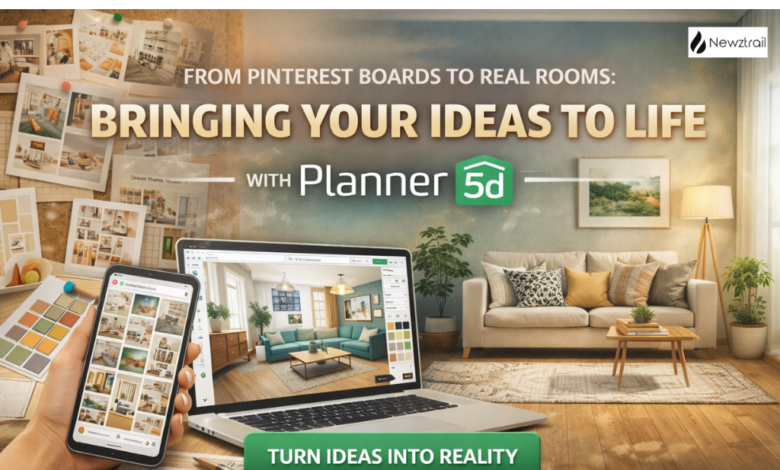
If you’ve ever tried designing your room, you probably already have a collection of ideas saved somewhere.
A few Pinterest boards.
Some Instagram screenshots.
Maybe even random images saved in your gallery that you swore you’d use someday.
You know the kind of space you like. The aesthetic, the vibe, the colors—it’s all there in your head (and your saved posts). But when it comes to actually turning those ideas into a real room using a home design tool like Planner 5d, things don’t move forward.
Everything looks good individually, but when you try to combine it, it just doesn’t come together the way you imagined.
That gap between inspiration and execution is where most people get stuck—and where using a 3D room planner like Planner 5d actually starts making sense.
When Inspiration Starts Feeling Overwhelming
Scrolling through Pinterest feels productive.
You’re saving ideas, discovering styles, and slowly building a vision. But after a point, it starts getting confusing instead of helpful.
Too many styles. Too many options. Too many “perfect rooms.”
You start questioning everything.
Should you go minimal or cozy?
Neutral tones or something bold?
Wood finishes or modern glossy surfaces?
The problem isn’t lack of ideas—it’s too many of them. That’s exactly where a room planner tool like Planner 5d helps you step out of the confusion.
Instead of just collecting ideas, you start testing them in a virtual home design setup using Planner 5d.
You pick one direction, try it out, see how it looks, and then decide if it actually works for your space.
Turning Random Ideas Into Something That Actually Fits

One of the biggest issues with inspiration is that it’s not always practical.
A room you saw online might look amazing, but it wasn’t designed for your layout, your lighting, or your space size.
So when you try to copy it, it feels slightly… off.
With a 3D interior design tool like Planner 5d, you can take inspiration and actually adapt it.
You recreate your room layout using the Planner 5d room design tool, place furniture based on your space, and then start building around it.
Suddenly, those ideas you saved don’t feel random anymore—they start fitting into something real.
Mixing Styles Without Ruining the Space
Another common struggle is trying to mix different styles.
You like minimal interiors, but also want something warm and cozy. You like modern furniture, but also want a few classic elements.
And somehow, when you try to combine them in real life, it doesn’t always work.
This is where experimenting on a virtual room planner like Planner 5d makes things easier.
You can try different combinations using the Planner 5d interior design software, move things around, swap textures, test colors—and actually see what works together.
Some combinations will look great. Some won’t.
But at least you’ll know before you spend money on it.
Finally Seeing What Your Room Could Look Like
There’s a big difference between imagining a space and actually seeing it.
Most people rely on imagination while designing, and that’s where mistakes happen. It’s hard to visualize scale, spacing, and overall balance in your head.
Using a 3D home design platform like Planner 5d, you remove that guesswork.
When you build your room on the Planner 5d design tool, you get a much clearer picture of how everything comes together.
You can see if the bed feels too big, if the layout feels cramped, or if the colors aren’t working.
And once you see it, your decisions become a lot easier.
Making Confident Decisions (Instead of Second-Guessing)
One of the most exhausting parts of designing a space is constantly second-guessing yourself.
You pick something, then doubt it.
You change it, then doubt that too.
It slows everything down.
But when you start using a home planner tool like Planner 5d, you begin making decisions with more clarity.
Because you’ve already tested different layouts using Planner 5d’s 3D room planner, you feel more sure about what works.
So when you finally choose something, it doesn’t feel random.
It feels considered.
It’s Not About Being “Creative Enough”
A lot of people feel like they’re not good at design.
They think you need a certain eye for aesthetics or some level of creativity to make a space look good.
But the truth is, most people already know what they like—they just struggle to bring it together.
That’s where a beginner-friendly interior design tool like Planner 5d helps.
You don’t need perfect ideas. You just need a starting point—and a simple room planner like Planner 5d makes that easy.
Once you begin, things naturally start falling into place.
Small Changes That Make a Big Difference
Sometimes, it’s not about completely redesigning your room.
Even small changes—like adjusting furniture placement, trying a new color, or adding a few elements—can change how a space feels.
But again, the problem is not knowing what will actually work.
With a home layout planner like Planner 5d, you can test even the smallest changes.
Using the Planner 5d design interface, you can shift things slightly, try different arrangements, and instantly see the difference.
And often, those small tweaks are what make the biggest impact.
From “Someday” Ideas to Something Real
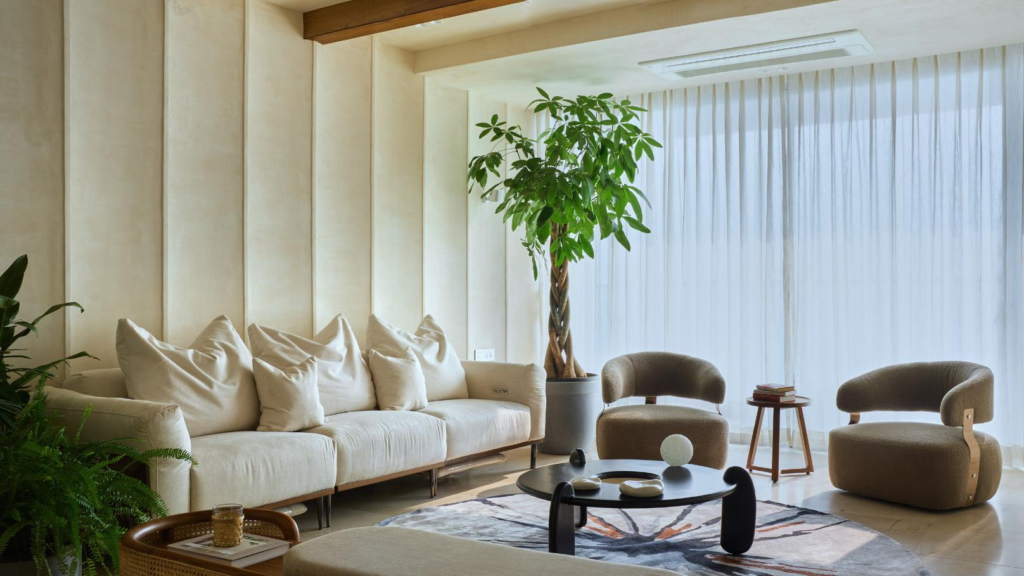
Most people have ideas for their space that stay in the “someday” category.
You’ll do it later. When you have time. When you’re sure.
But without a clear plan, that “later” keeps getting pushed.
Using a home design software like Planner 5d, that shift becomes easier.
Because once you start seeing your ideas come together inside the Planner 5d platform, they stop feeling vague.
They start feeling doable.
So, Where Do You Start?
You don’t need a perfect plan.
You don’t need to have everything figured out.
All you really need is one idea—something you liked, something you saved, something you want to try.
Start there.
Open a 3D room design tool like Planner 5d, recreate your space, and begin experimenting.
Move things around. Try different setups. Change your mind a few times.
Because the goal isn’t to get it perfect immediately.
It’s to finally move from just collecting ideas… to actually creating something with them.
And once you do that, designing your space starts to feel a lot less confusing—and a lot more exciting.